
SB Physio Blog: Your Guide to Physical Therapy & Movement
AI in Physical Therapy vs. Automation: What We’re Actually Using in a PT Clinic Today
AI is entering physical therapy, but not always in the ways you might expect. From documentation and billing to scheduling, patient communication, and movement data, we look at where AI and automation are actually useful in a working PT clinic—and where people are still better.

Stretching Your Quads: Why Do Different Positions Feel So Different?
Why do some quad stretches pull in the middle of your thigh while others feel closer to your hip? Learn how hip and knee position change a quad stretch, how to modify different positions, and whether a massage gun can provide the same benefits as stretching.
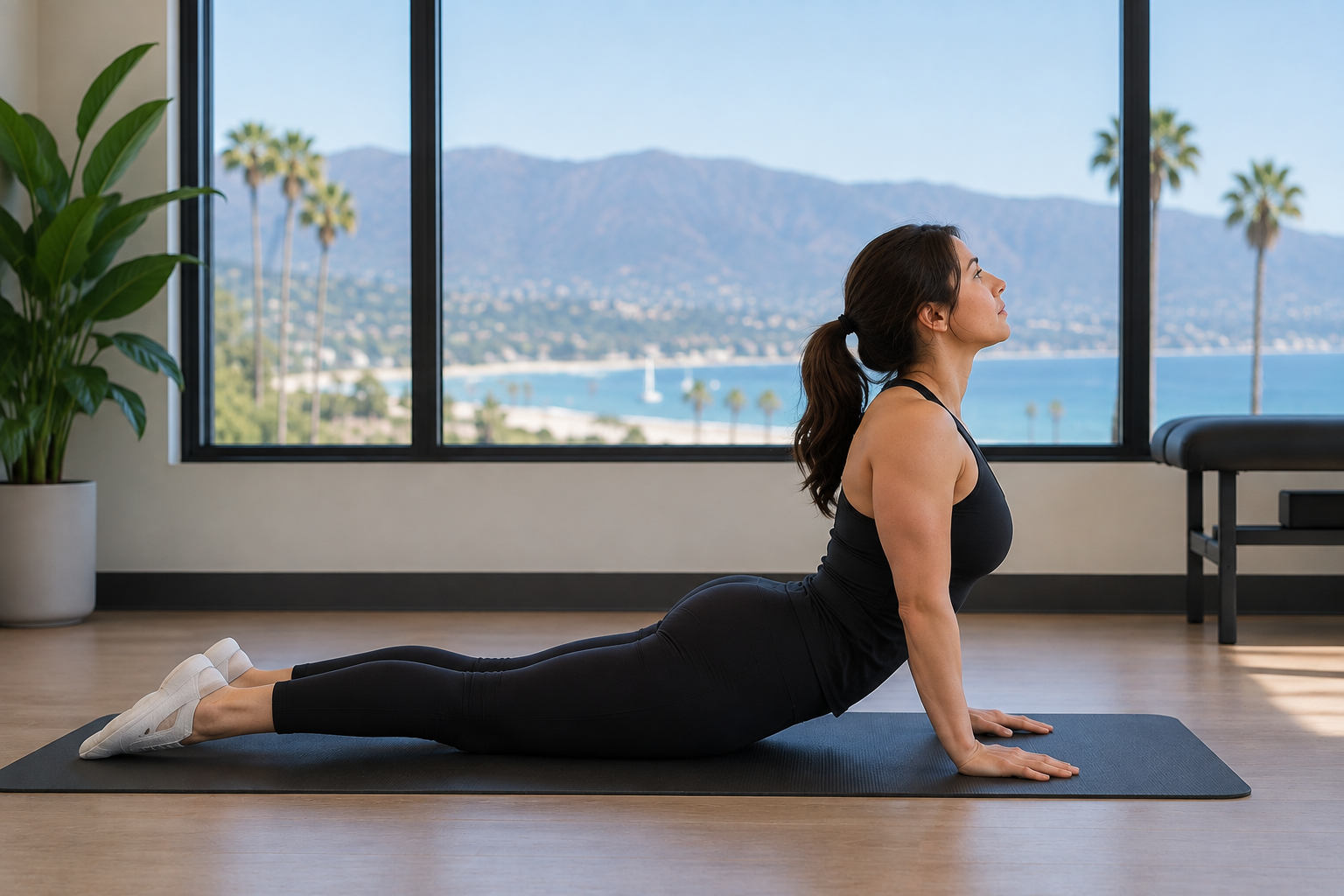
Back Pain Physical Therapy in Santa Barbara: Find the Cause, Not Just Temporary Relief
Back pain is one of the most common reasons people seek physical therapy. Learn about common causes of back pain, when to seek treatment, and how one-on-one physical therapy at SB Physio in Santa Barbara can help you move with confidence again.
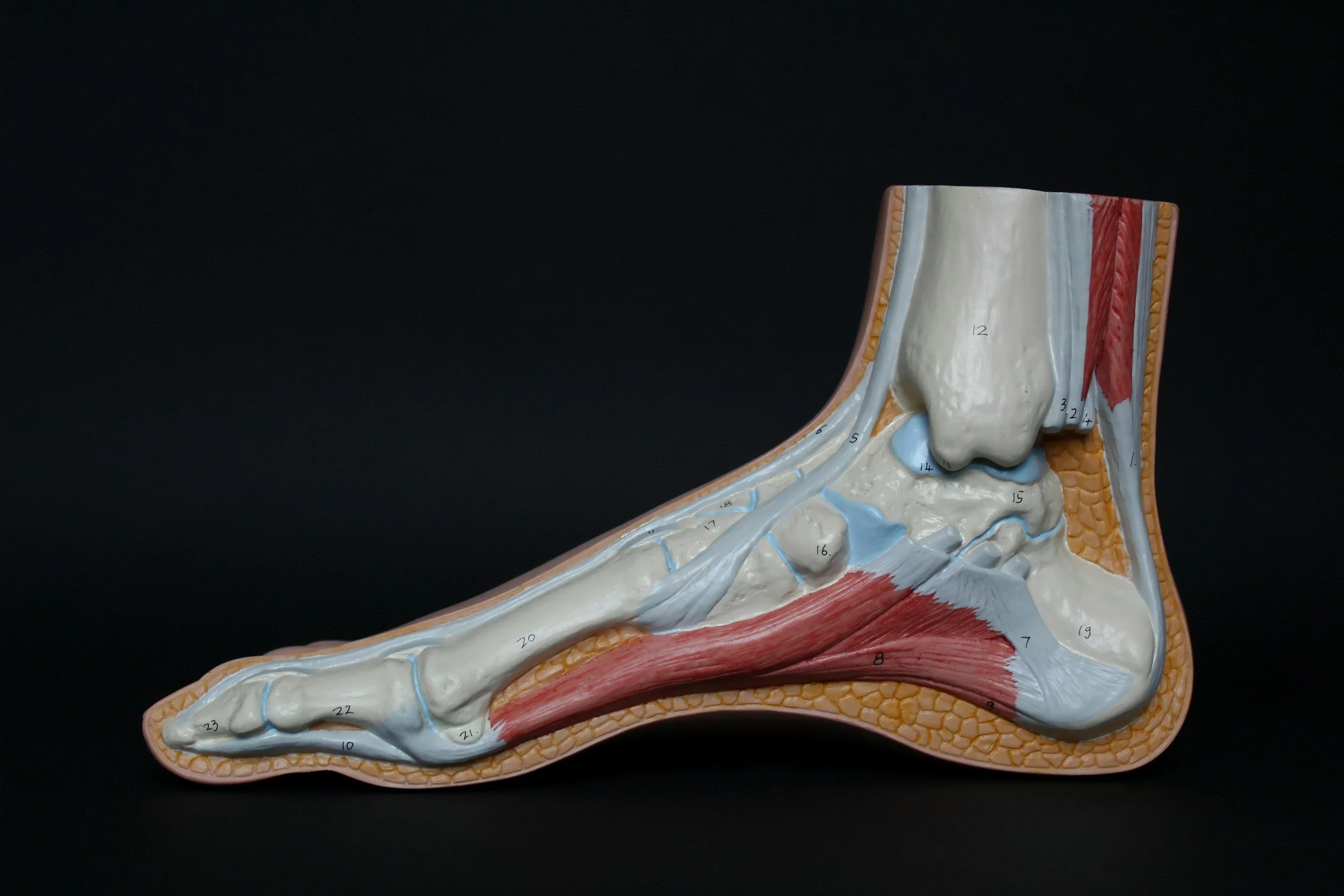
Why Rest Doesn't Always Fix Tendon Pain
If you've been resting a painful tendon but your symptoms keep returning, you're not alone. While rest can calm irritation, tendons often need progressive loading to rebuild strength and tolerate everyday activities again. Learn why exercise, objective assessment, and treatments like shockwave therapy can all play a role in successful tendon rehabilitation.
Pain Matters—But It's Not the Whole Story
Pain is one of the most important reasons people seek physical therapy, but it's only one part of the recovery process. Feeling better doesn't always mean your body has regained the strength, balance, and function needed for everyday activities or sports. Learn why objective testing can help identify lingering deficits, guide rehabilitation, and support safer return-to-activity decisions. At SB Physio, we combine compassionate care with measurable performance testing to help patients recover with confidence.
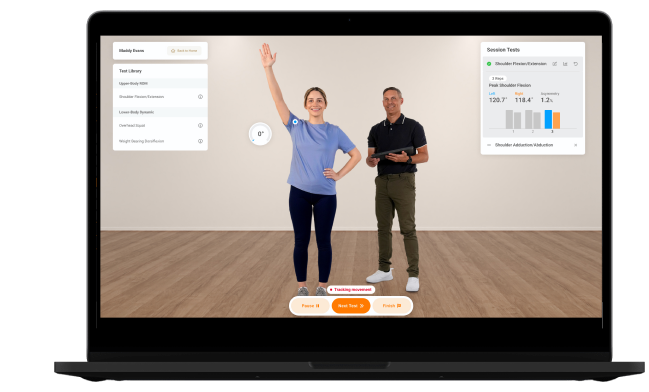
Annual Movement Screens: A New Way to Measure Your Health
Discover how SB Physio's Annual Movement Screens use HumanTrak technology to objectively assess movement, establish a baseline, and track your mobility over time.
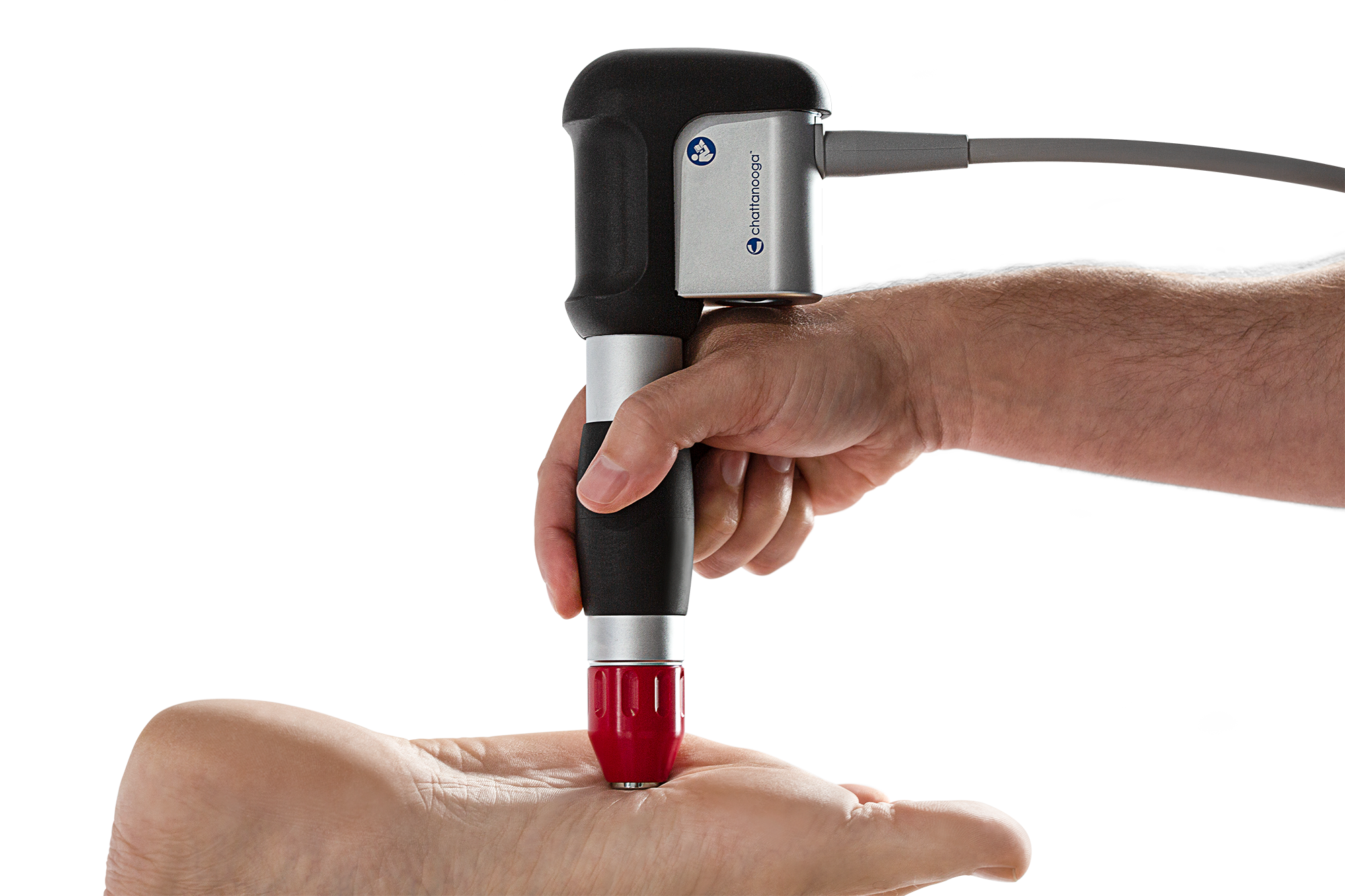
Understanding Shockwave Therapy: What's the Difference Between Radial and Focused Shockwave?
Shockwave therapy isn't one-size-fits-all. Learn the differences between radial and focused shockwave therapy, how each delivers energy, and why radial shockwave is an effective treatment option for many common tendon and soft tissue conditions.
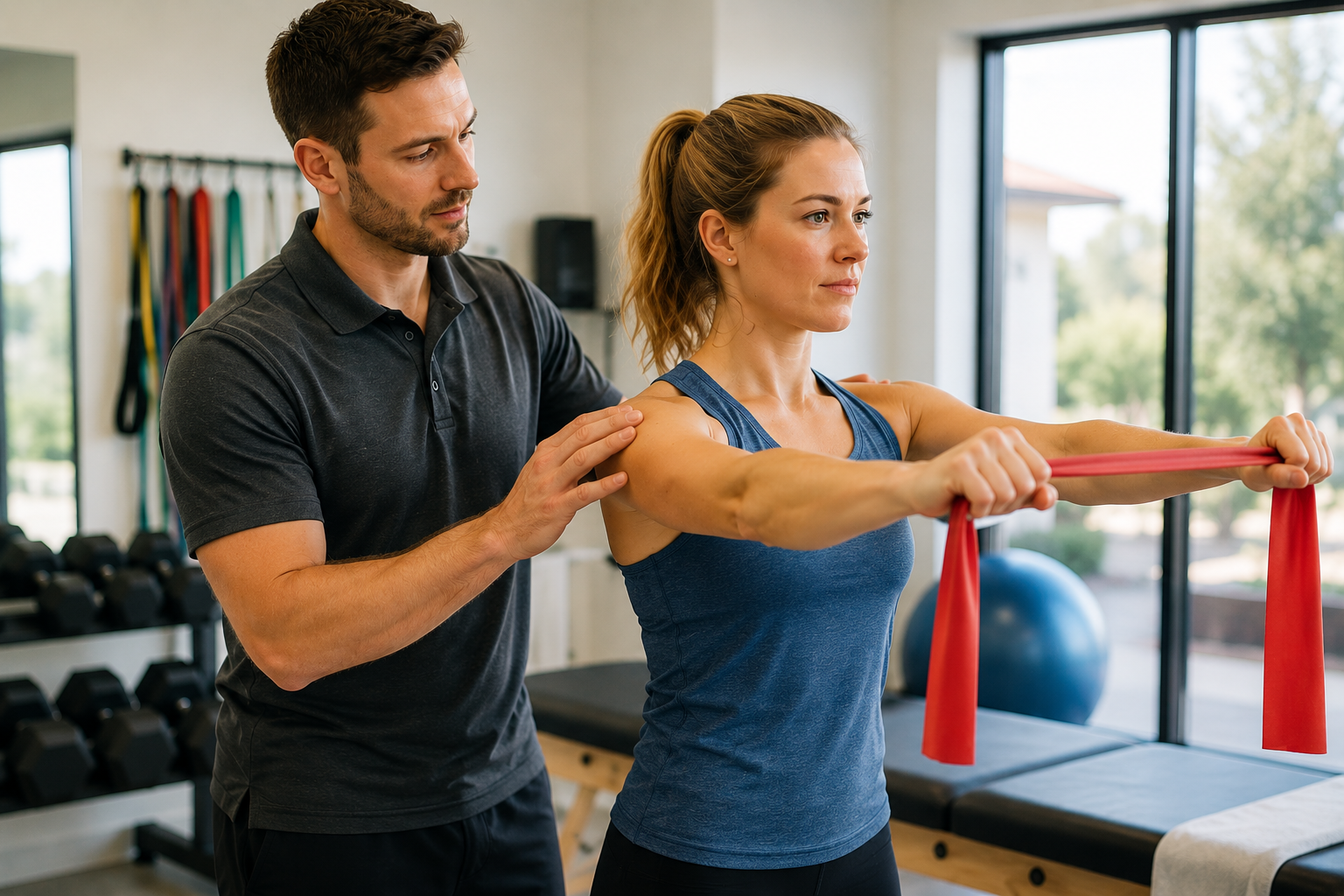
Why Your Shoulder Still Hurts After Physical Therapy
Finished physical therapy but your shoulder still hurts? Learn why some shoulder conditions continue to cause symptoms and what factors may be limiting recovery.

Why Does My Knee Hurt Going Down Stairs but Not Up?
Walking is fine. Going upstairs may be fine. But going downstairs suddenly causes knee pain. Learn why stair descent places unique demands on the knee and what may be contributing to your symptoms.
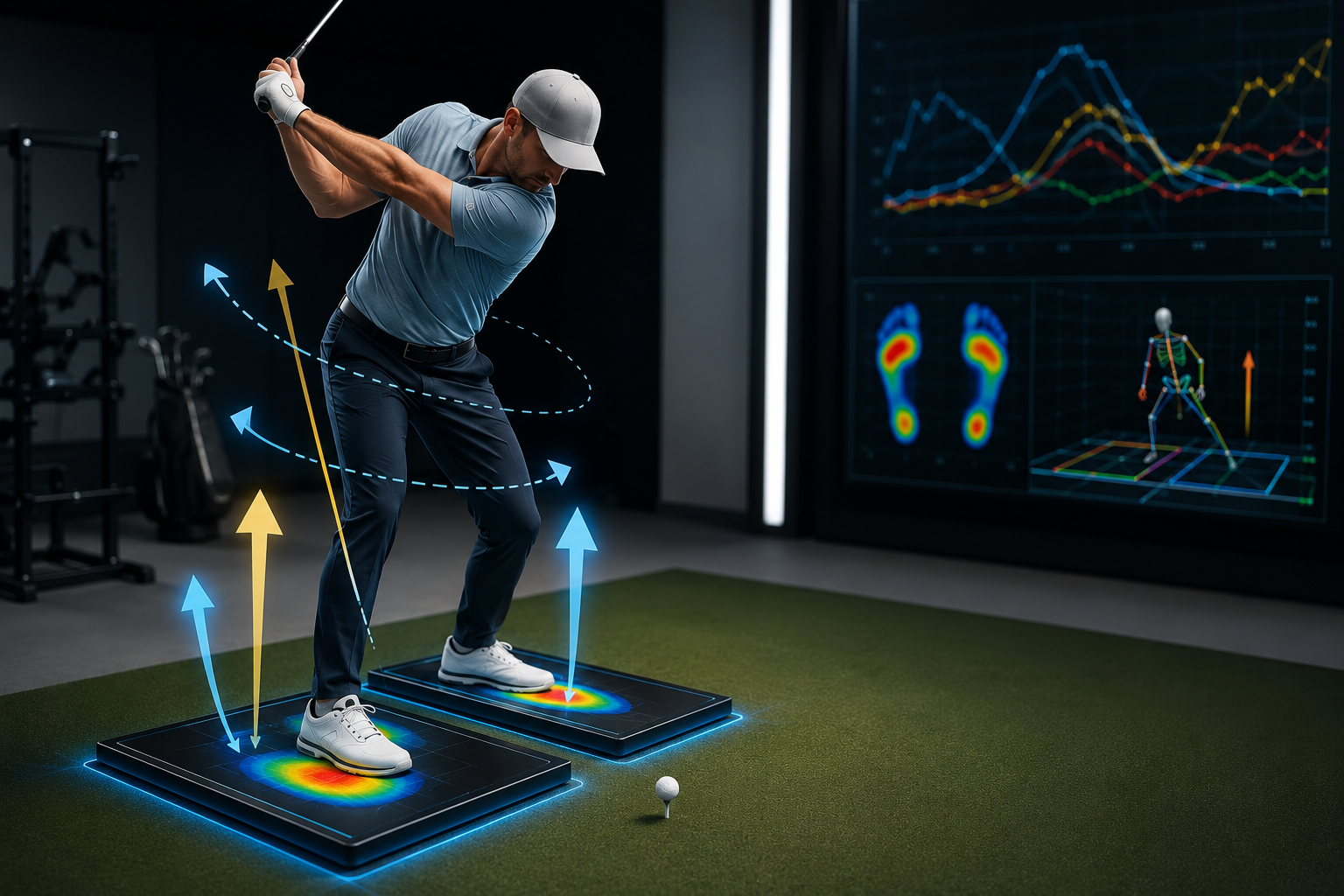
Ground Reaction Force: Where Does Power Really Come From?
You've probably heard coaches say to "use the ground" to generate more power. But does power actually come from the ground? Learn how ground reaction force works, why elite athletes produce force more efficiently, and how strength, mobility, and movement quality influence performance in golf and other sports.

Common Soccer Injuries During World Cup Season
Soccer is one of the most physically demanding sports, requiring sprinting, cutting, jumping, and rapid changes of direction. In this article, we break down the most common soccer injuries, why they occur, and how proper rehabilitation and injury prevention strategies can help players stay healthy and perform at their best.
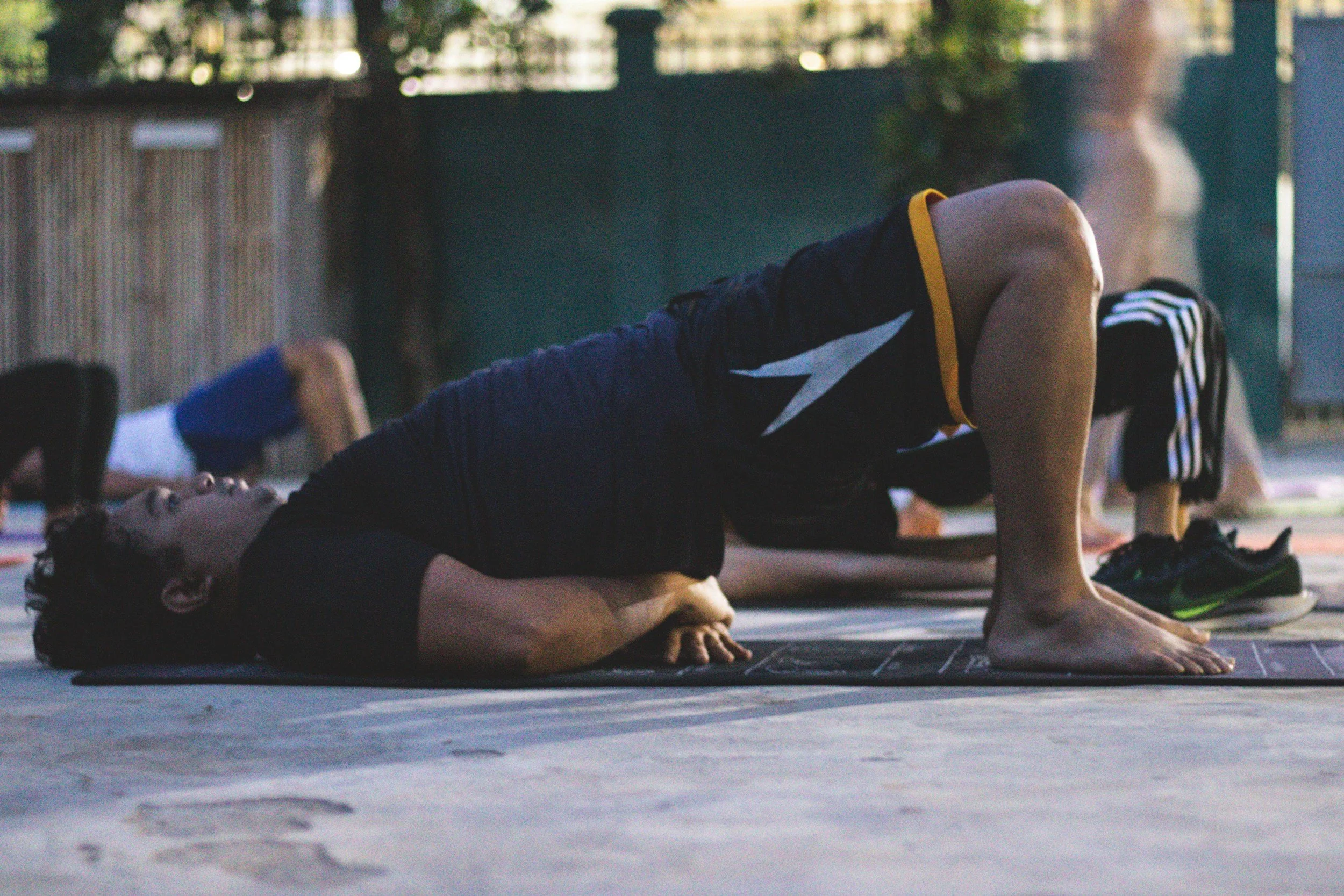
4 Physical Therapy Exercises We Commonly Use For Hip Pain
Hip pain can develop from joint stiffness, muscle weakness, or movement limitations. Learn four physical therapy exercises commonly used to improve hip mobility, glute strength, and movement quality.

Golf Fitness Is No Longer Just for Professional Golfers
Many golfers spend countless hours working on their swing while overlooking the body that creates it. Learn how golf mobility, strength, fitness, and movement analysis can improve performance, increase distance, and help you play the game longer.
How Physical Therapy Has Changed—and Why It Matters to Patients
Physical therapy has changed significantly over the past several decades, and the experience can vary dramatically from one clinic to another. Some clinics emphasize one-on-one care, while others focus on volume, technology, performance, wellness, or recovery. Understanding these differences can help patients choose a clinic that aligns with their goals, lifestyle, and expectations. In this article, we explore how the profession has evolved and what questions you should ask before scheduling your first visit.

Do You Need a Golf Instructor, a Golf Movement Specialist, or Both?
Many golfers struggle to determine whether they need a golf instructor, physical therapist, or golf fitness professional. Learn the differences and why the best results often come from combining swing instruction with movement and performance training.
One-on-One Care at a Facility Level: What Makes SB Physio Different
Most PT clinics make you choose between personal attention and real resources. At SB Physio, you get both — one-on-one care with a licensed Doctor of Physical Therapy, backed by a full clinical team, advanced technology, and a facility built for every stage of recovery.
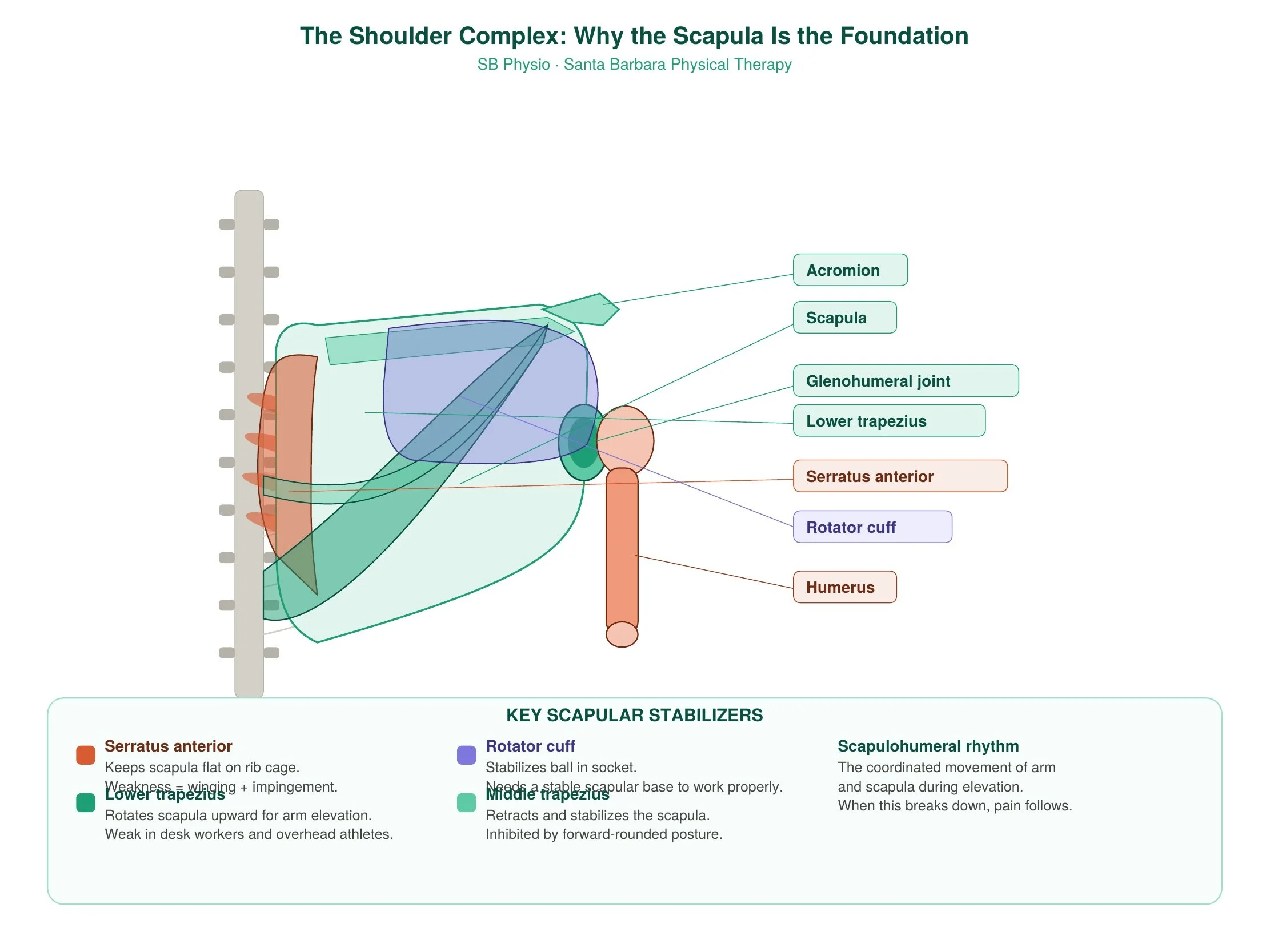
Shoulder Pain in Santa Barbara: Why Your Scapula Might Be the Real Problem
Shoulder pain is one of the most common complaints we see at SB Physio — and Santa Barbara's active lifestyle demands a lot from your shoulders. Most people focus on the rotator cuff. But the real culprit is often the scapula. Here's what that means and why it matters for lasting relief.
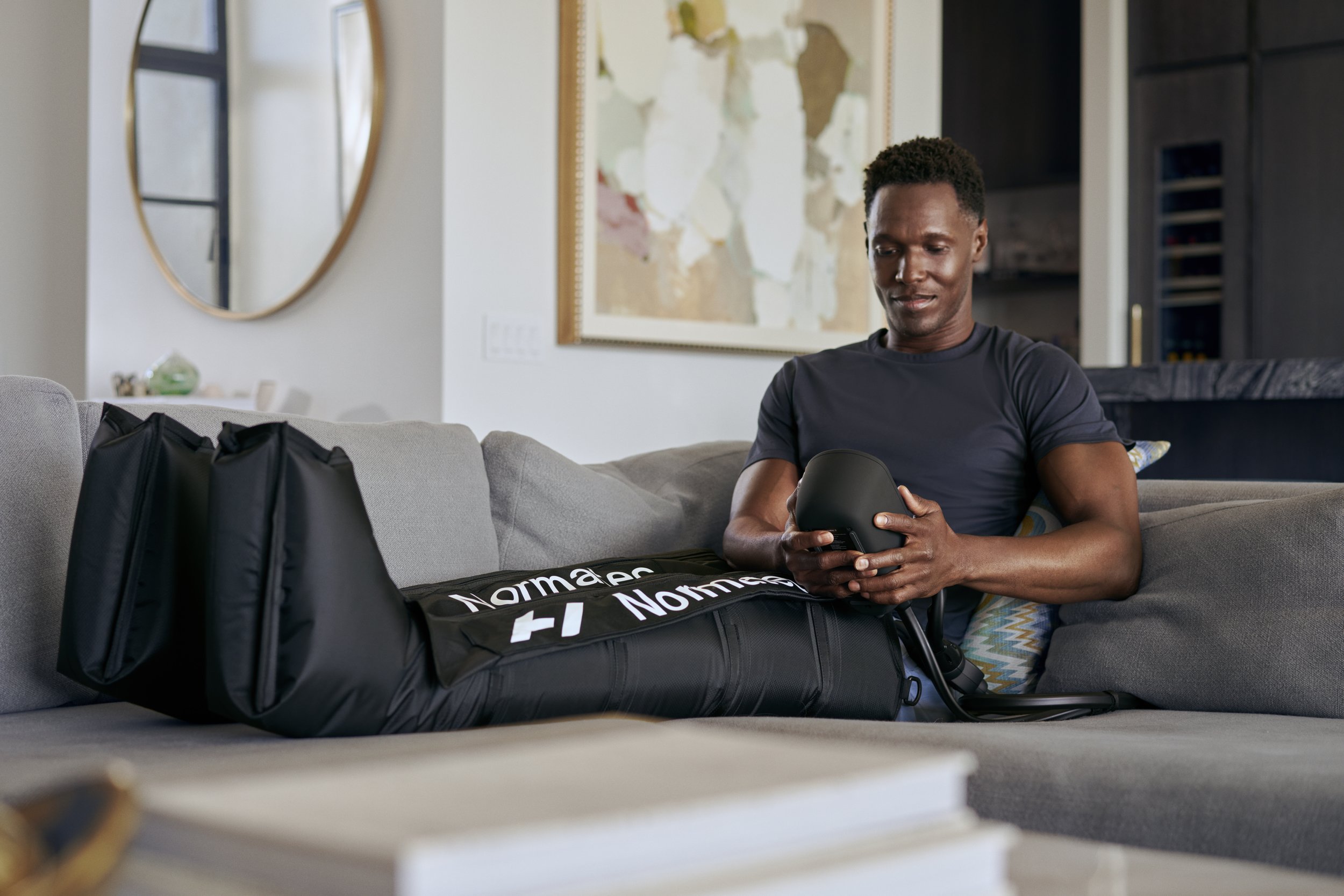
Recovery Compression Therapy in Santa Barbara: What Normatec Actually Does
Compression recovery systems like Normatec have become increasingly popular in sports, fitness, and recovery settings. But what do they actually do? At SB Physio, Normatec recovery sessions are used both after physical therapy visits and as standalone recovery sessions to help support circulation, recovery, and overall tissue recovery between training and daily life demands.
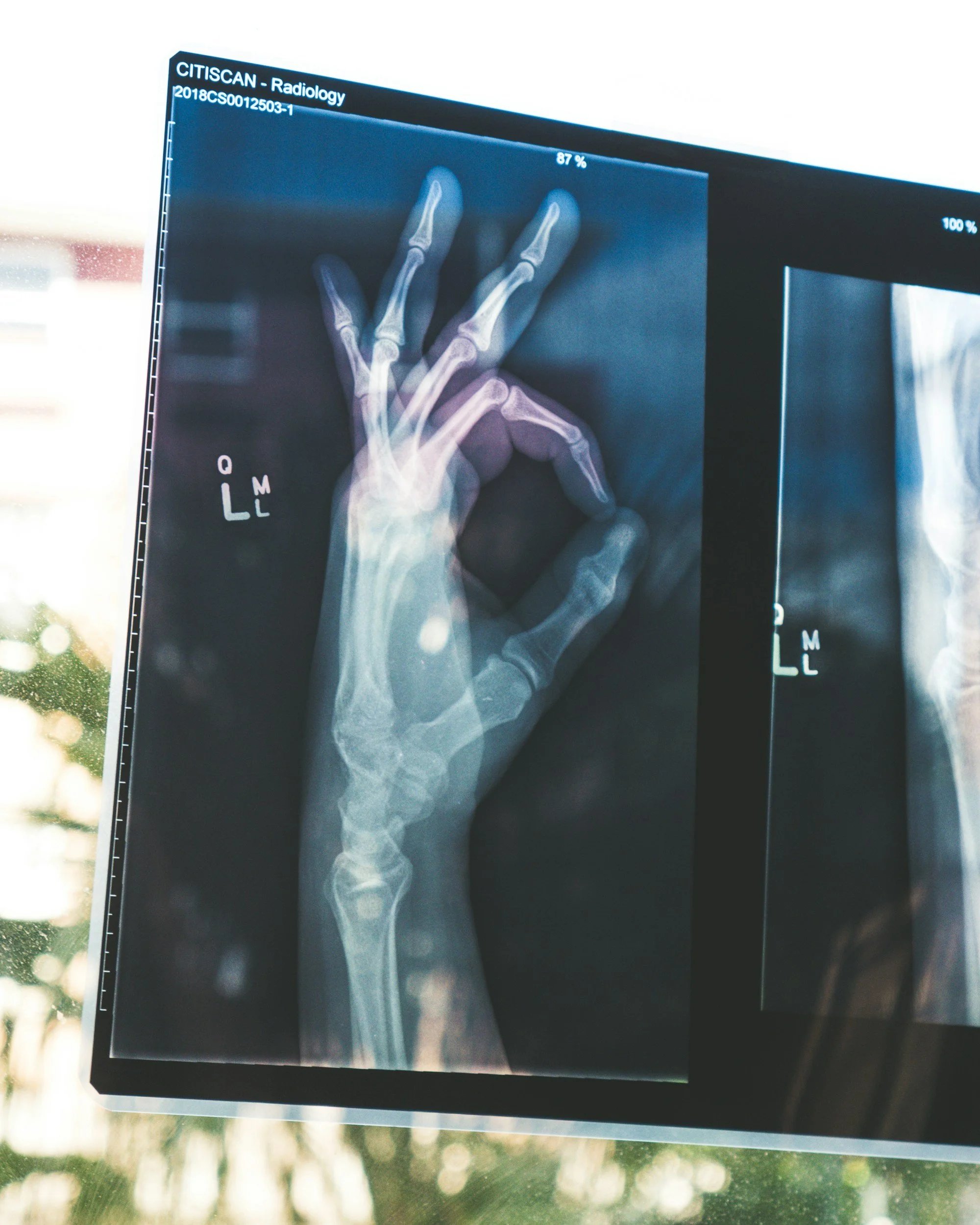
The Problem With Waiting for Imaging Before Starting Rehab
One of the most common delays in orthopedic care is waiting for imaging before starting treatment. While imaging can sometimes be important, many musculoskeletal conditions improve more from progressive rehab and movement than from simply identifying structural findings on an MRI.
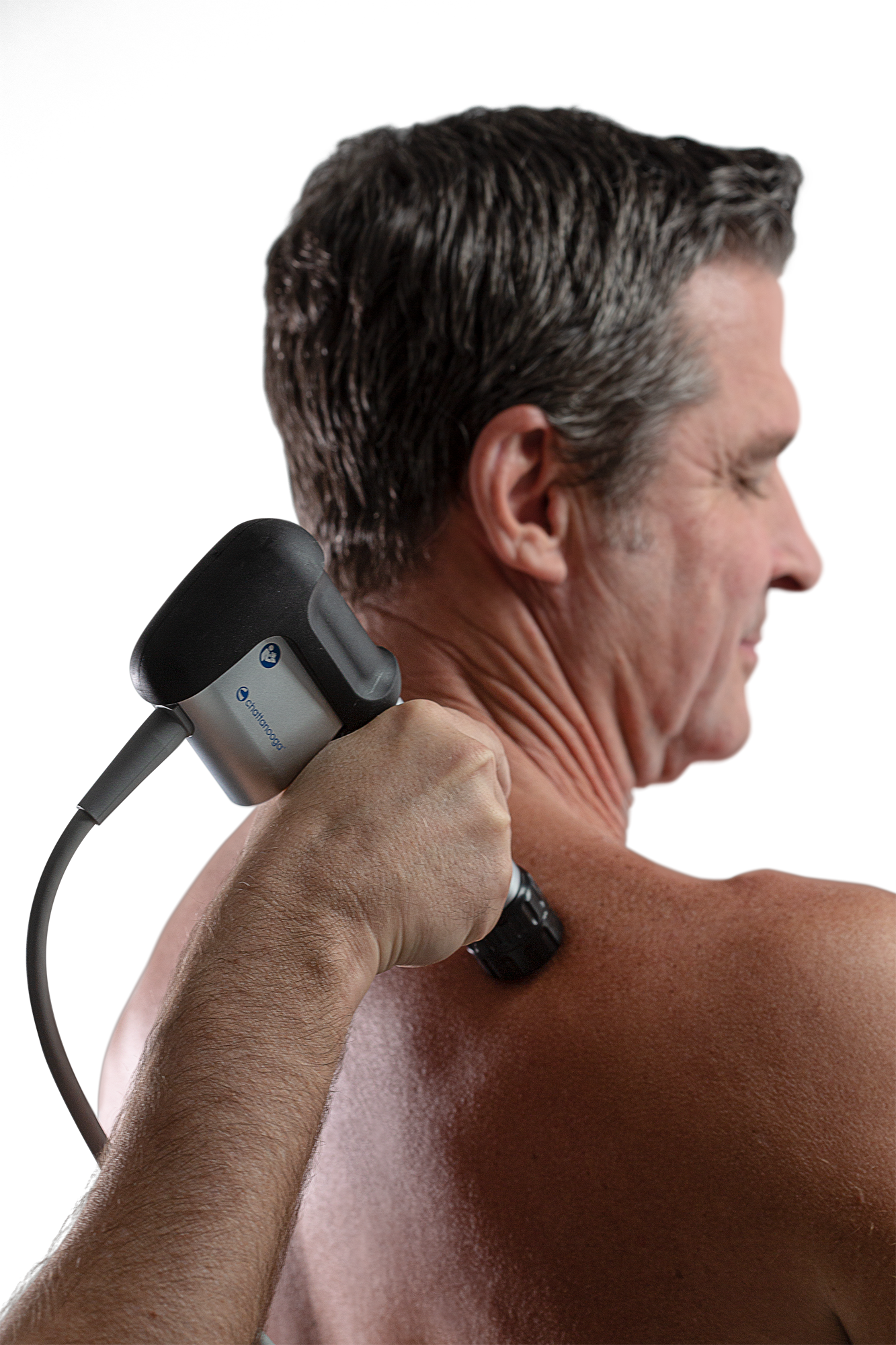
Shockwave vs. Cortisone: Two Very Different Approaches to Tendon Pain
Cortisone injections and radial shockwave therapy are both commonly used for orthopedic pain, but they work very differently. One is designed primarily to reduce inflammation and pain quickly. The other is typically used to stimulate a tissue response in chronically irritated tendon tissue. Understanding the difference matters when deciding how to treat persistent tendon pain.